
What should you wear hiking in Alaska? Here’s our packing list!
Planning a day hike in Alaska? Whether you're exploring alpine trails in Hatcher Pass, walking through the boreal forest in Denali, or heading to Seward for a coastal adventure, there’s a saying we’ve come to appreciate: “there’s no bad weather, only bad gear”. This mostly rings true - although - we’re the first to admit you won’t find us playing outside in a Palmer windstorm. Ha!
One of the biggest curveballs while adventuring in Alaska is how quickly the weather can change. A sunny morning isn’t guaranteed to stay that way throughout the day. Rain, wind, or snow can all make an appearance - sometimes all in the same day! Yes, it can snow in July!
The key to staying comfortable is dressing in layers and being prepared for changing conditions. Our team spends many hours outdoors in Alaska each year. Before we get to our packing list - let’s go over some layering 101.
The Most Important Tip: Dress in (or pack) layers
Even on a short day hike, you’ll find a variety of layering options in our pack. Layering allows you to adjust throughout the day as temperatures, weather, and activity levels change.
Alaska Layering 101: Base Layer, Mid Layer, and Outer Layer
What is a Base Layer?
Your base layer is the closer layer to your skin and should help manage moisture and keep you warm.
Our favorite materials:
Merino wool - often comes at a premium price, but we like it because it doesn’t get stinky during extended adventures and multiple seasons of use. Merino does great as both a warm and cold weather baselayer, so you’ll find yourself wearing it all year long.
Synthetic athletic fabrics - generally cheaper than their wool counterparts, but tend to have a shorter lifespan than wool base layers. Synthetic fabrics also tend to hold the ‘stink’. Depending on the material, we’ve found that sometimes the stink will hang onto the fabric even after a proper wash.
Some of our favorite base layers for hiking in Alaska:
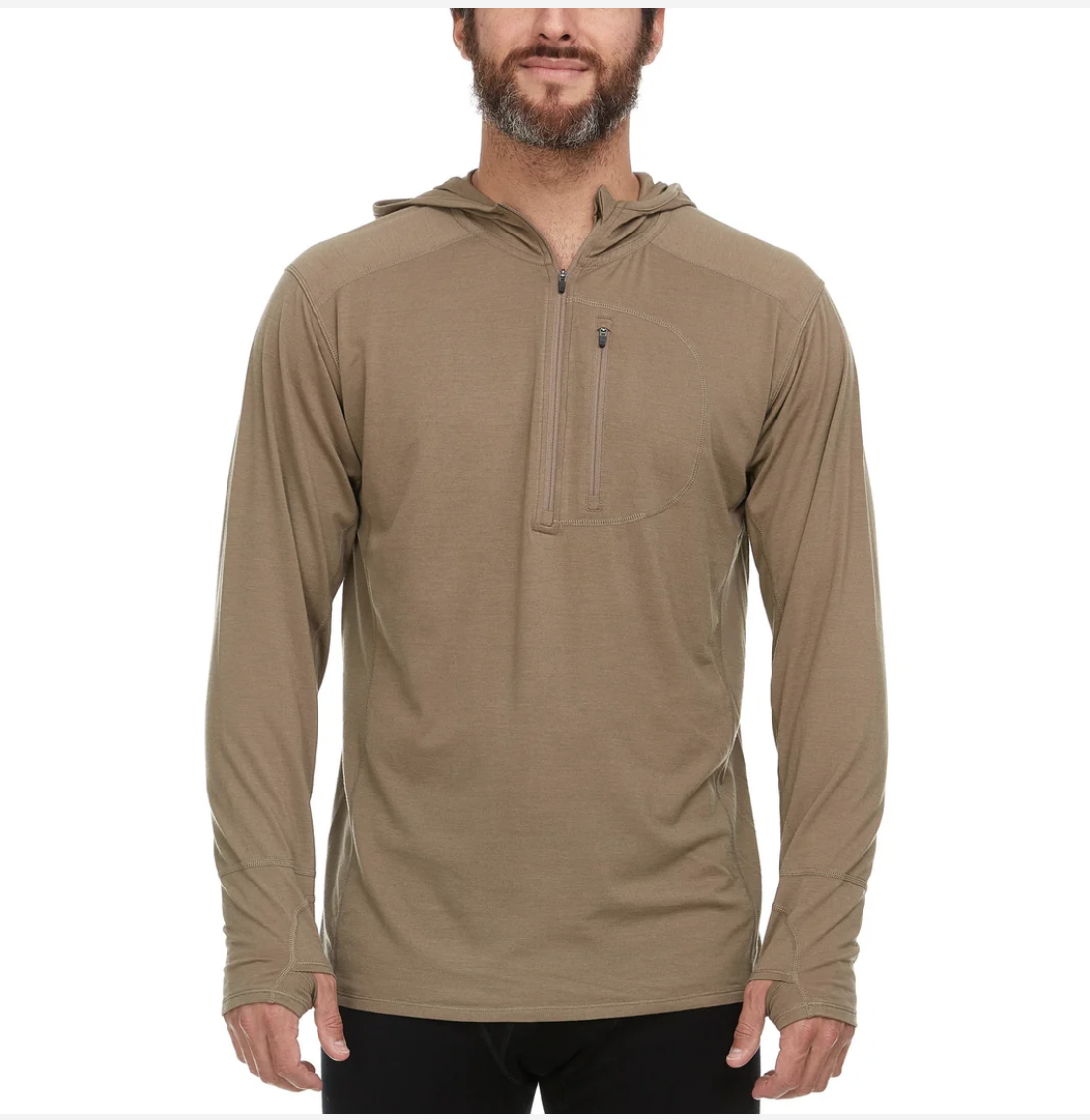

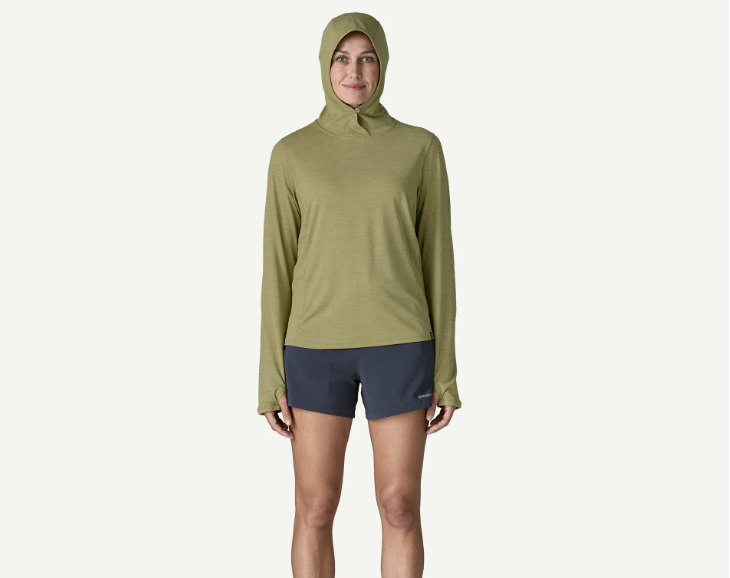
Guide tips:
We’re sharing our favorite brands for new base layer purchases, but you can often find great base layer options at second hand stores.
Whatever you do, avoid cotton. Cotton absorbs moisture and dries slowly, which can leave you cold and uncomfortable.
What is a Mid Layer (Insulating Layer)?
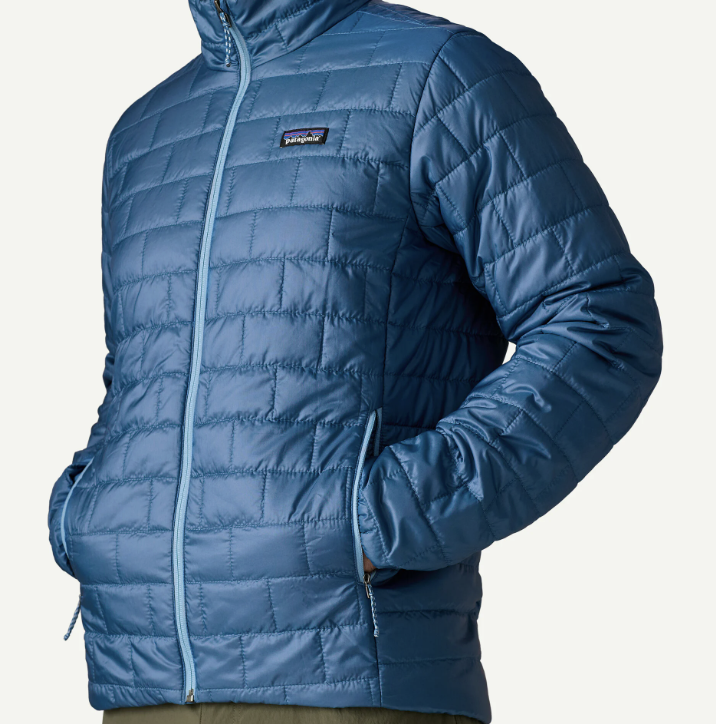
Your mid layer provides insulation and sits between the base layer and outer layer (shell). This is really where you control the temperature of your layering system. Neither the base layer nor the shell provides much for warmth, so this middle layer is important to get correct. On a brisk day, an insulating layer may just be a down vest. On a cold day, your insulating layer might wear a vest and a down puffy jacket. Easily add layers as needed to control my body temperature.
Insulating options include:
Lightweight fleece jackets
Merino wool sweaters
Synthetic insulated jackets
Even for short day hikes, bringing at least one warm layer for outdoor adventures is critical in Alaska.
Some of our favorite insulating layer options for hiking in Alaska:
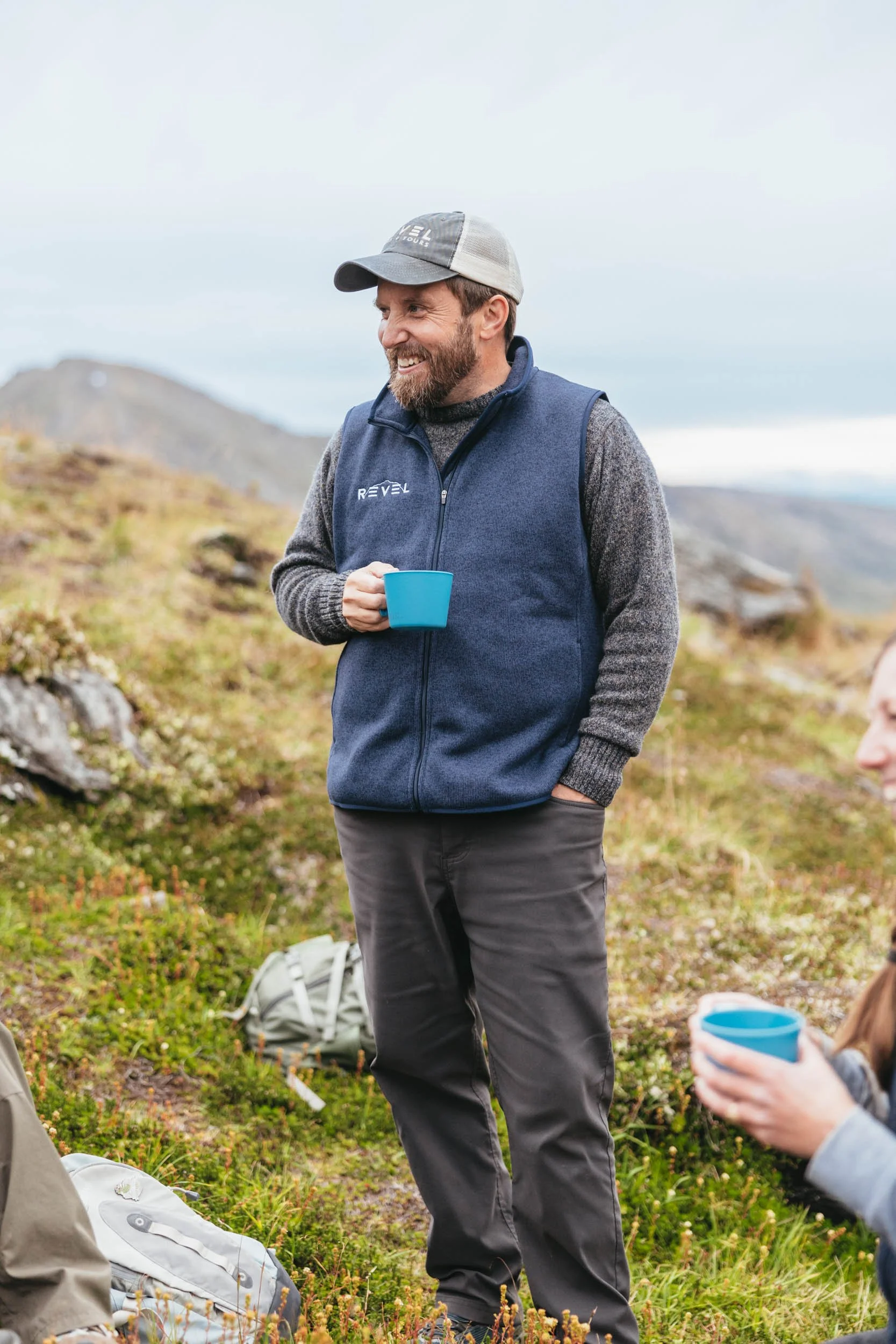
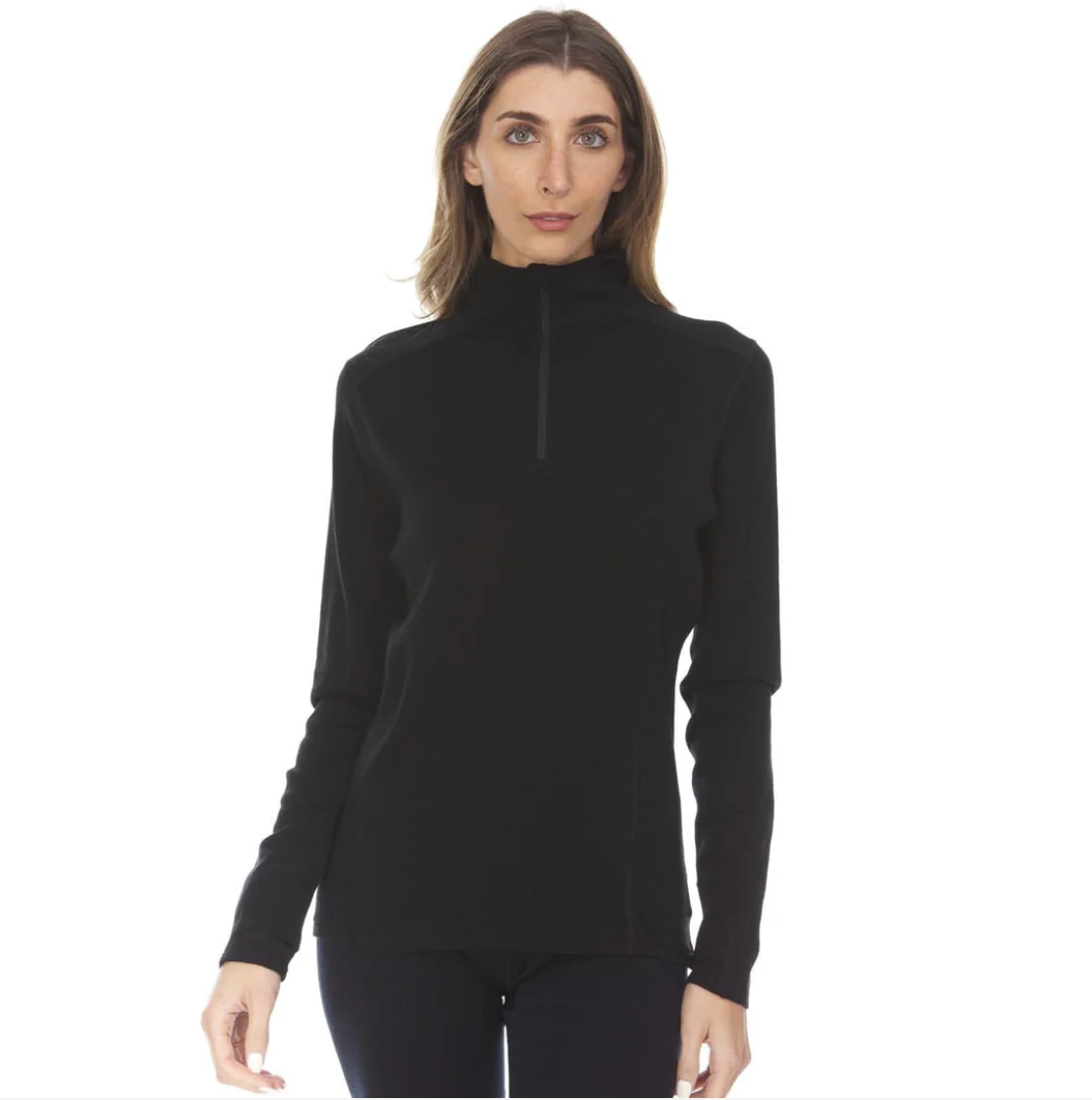
Guide tips:
Same as with base layers - we’re sharing our favorite brands for new purchases, but you can often find great options at second hand stores.
We like having a couple midweight options vs. one bulky mid layer. This gives us flexibility while in the field and allows us to manage body temperature more effectively than having one ultra warm jacket.
What is an Outer Layer (Shell)?
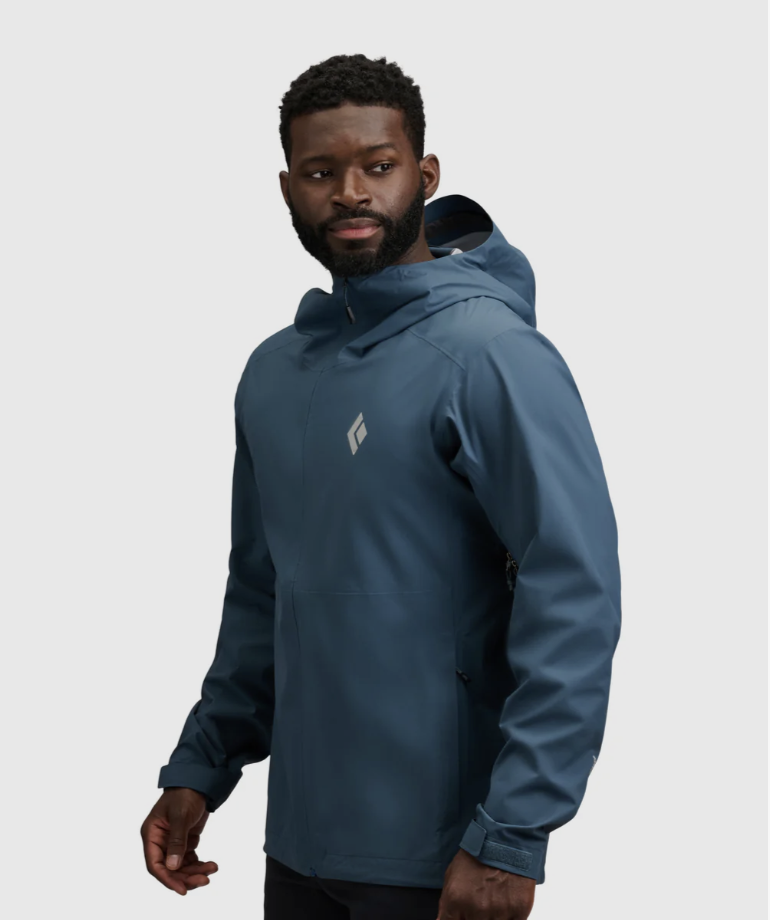
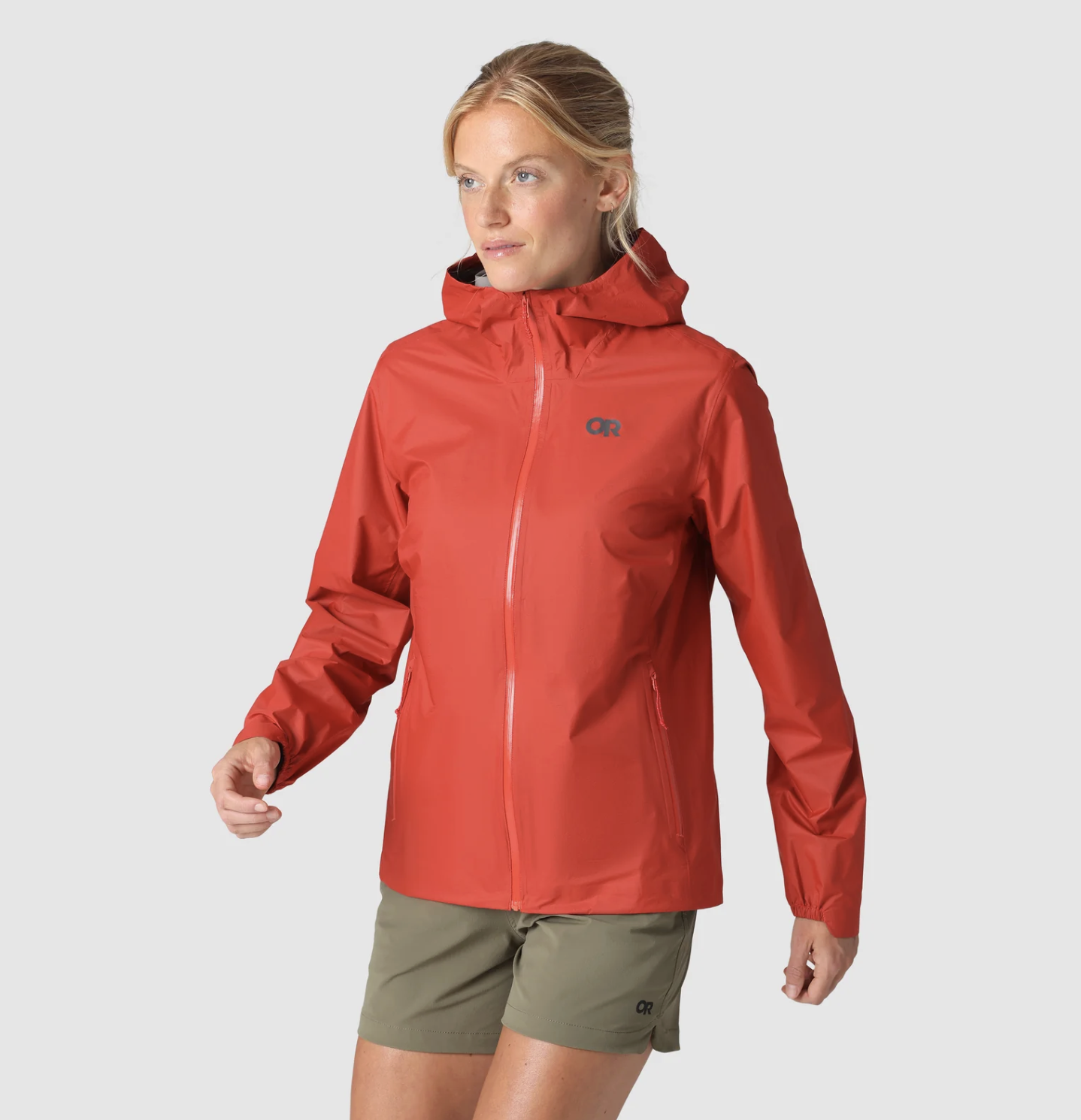
The outer layer is just like it sounds - your outermost layer. It should be a waterproof or water-resistant shell that protects you from wind and rain.
A quality rain jacket is one of the most important pieces of hiking gear you can bring to Alaska. Even on clear days, it's wise to keep one in your pack.
Some of our favorite shells for hiking in Alaska:
Guide tip:
If you're going to splurge on one piece of gear, make it a quality rain shell. Alaska's weather can change in an instant, and staying dry is the key to staying comfortable (and safe) while hiking in Alaska. A good shell can turn a rainy hike into an enjoyable adventure instead of a cold, soggy one.
Our Packing List for A Day Hike:
For most summer hikes, we recommend the following clothing items:
Moisture-wicking shirt (baselayer)
Hiking pants or athletic pants
Warm fleece or light insulated layer
Waterproof rain jacket
Wool or synthetic hiking socks
Sun hat or baseball cap
Lightweight gloves (especially in alpine areas)
Common Mistakes Visitors Make
Things that can make for an uncomfortable (or unsafe) Alaska hike?
Wearing cotton - cotton may be comfortable around town, but it's not ideal for hiking. Wet cotton loses insulating value and takes a long time to dry.
Underestimating rain - many visitors assume they'll only need rain gear if rain is forecast. In Alaska, weather can change quickly, especially in the mountains.
Bringing brand new footwear - a new pair of hiking boots might look great, but blisters can quickly ruin an adventure.
Not packing enough layers - many Alaska trails start at lower elevations and climb into cooler, windier terrain. Always bring an extra layer.
Explore Alaska with Local Guides
And if you’d like to hike with additional peace of mind - head out with people who spend time on the trails every week!
Our private and small-group Alaska adventures are the perfect option for visitors looking for personal attention. Whether you're joining us for a beginner-friendly hike or a full-day alpine adventure, we'll help ensure you're prepared for the conditions.
